Karma Series, People & Relations

Karma Series ② The Meaning of “That Person” Who Keeps Returning — Breaking the Karmic Cycle of Relationships

December 13, 2025
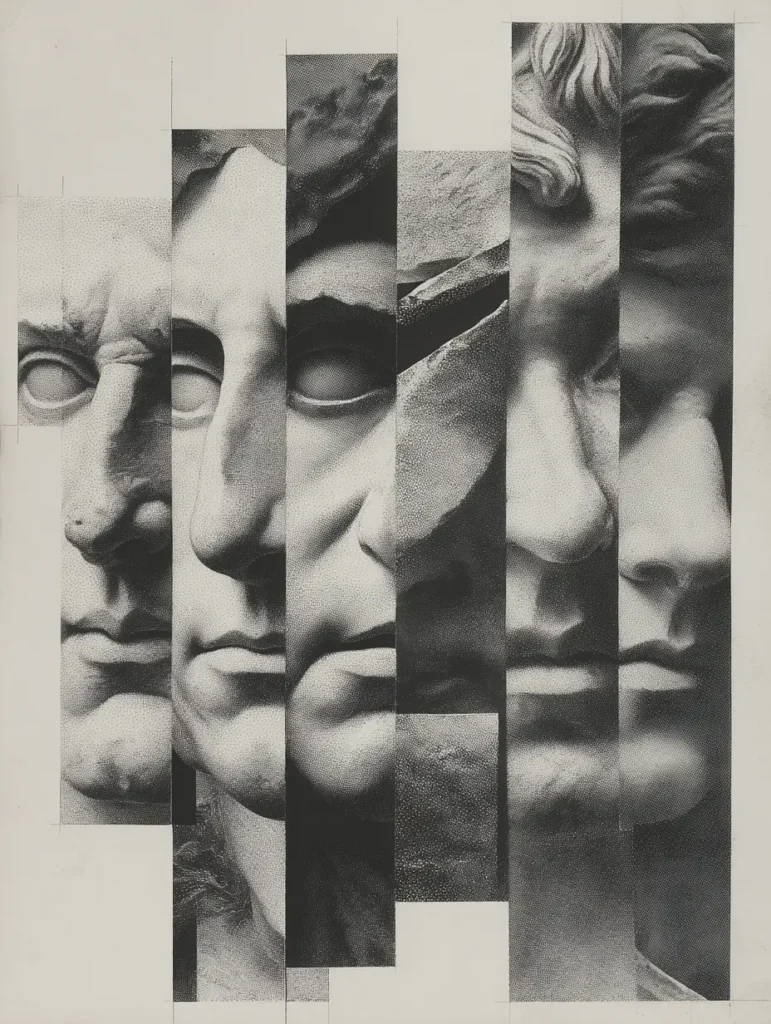
Fragmented classical faces symbolizing recurring emotional patterns and karmic relationships between people.
Featured Image
Faces of Connection — The Patterns We Repeat
“Each face tells the same story — only the names change.”

A conceptual composition of fragmented classical sculptures representing the layers of human connection and the repetition of karmic emotions across different relationships. The overlapping faces visualize how unresolved inner patterns reappear through new encounters, mirroring the theme of Karma Series 2: Breaking the Karmic Cycle of Relationships.

This article is the second installment of the Karma Series, categorized under [People & Relations], exploring the homework of connection.

Prologue: The Déjà Vu of Emotion — When Relationships Repeat the Same Pain

   The person has changed — but my feelings are the same.

We all form countless relationships throughout our lives. And at some point, we all try to end the ones that hurt us. A breakup with a difficult partner, cutting ties with a draining friend, or leaving a toxic workplace — each feels like a clean break, a form of emotional closure.

But time passes, and suddenly you meet someone new — someone who awakens the exact same emotions you thought you’d left behind. A partner who criticizes, a friend who depends on you, a colleague who takes credit for your work. Different face, same feeling.

It’s in those moments you realize — this isn’t coincidence. It’s not bad luck. It’s a karmic signal.

I’ve been there too. In my early thirties, I ran my own design studio. I wasn’t a company employee; I was a designer pioneering my own path — and that meant being both a creator and a manager. Looking back, I wonder where I found that courage. Perhaps it was simply not knowing fear yet.

Collaboration offers came often, but most turned into disappointment. People who seemed competent and responsible at first often revealed they couldn’t do much once the real work began. Each time, I found myself carrying the weight alone. And the same pattern kept repeating — the exhaustion, the frustration, the quiet resentment.

I began to ask myself, “Why do I keep meeting people like this?”

What Karmic Relationships Are: Repetitive Emotional Patterns & Unresolved Energy

It’s Not the Person That Repeats — It’s the Emotion

A karmic relationship doesn’t mean the same person returns. It means an unresolved emotional pattern reappears through different people.

Karma, in this context, is not about punishment — it’s about unfinished energy seeking resolution.

Common emotional patterns include:

  • Victim pattern: You repeatedly end up being used or taken advantage of.
  • Savior pattern: You attract people with problems and exhaust yourself trying to “fix” them.
  • Isolation pattern: No matter the group, you feel left out or unseen.

These experiences aren’t random. They are your unresolved emotions — abandonment, anger, worthlessness — manifesting again, inviting you to face them consciously. Until that emotion is healed, the universe will send another version of the same story.

A solitary figure walking on a misty gray shoreline, symbolizing the quiet aftermath of emotional disconnection.

The Gray Silence — Meeting Myself at the End of Connection

“When all connections fade, only the self remains.”
The image of a lone person walking through gray mist reflects the solitude that follows emotional endings, evoking the stillness of self-confrontation amid uncertainty.

The Seed of Karma: Unconscious Intention Driving Relationship Repetition

In Buddhism, karma is less about “what you do” and more about why you do it — your intention (Cetanā). Behind every recurring emotional pattern is a hidden, unconscious intention.

Unconscious Intention (Seed of Karma)
Lack of self-worth
Need for validation
Fear of closeness
Recurring Relationship Pattern (Result)

“I’m not valuable unless I’m needed.” → You depend on people who mistreat you. (Dependency karma)

“I must help others to be recognized.” → You keep meeting people who drain you. (Sacrifice karma)

“Intimacy leads to betrayal.” → You unconsciously push others away. (Avoidance karma)

For years, I repeated the “rescuer” pattern — always being the reliable one, the helper, the giver. I thought others were taking advantage of me, but in truth, I was driven by an inner need to be needed.

That realization changed everything. I wasn’t born to save others — I was meant to learn how to save myself.

Three Steps to Karmic Freedom: Recognition, Accountability, and New Choice

Healing karmic relationships doesn’t happen by changing people or avoiding them. It begins when you recognize why the same emotion keeps repeating inside you. Here’s how to start:

Step 1: Recognize the Pattern and Name It.

The first step is awareness. List your past relationships — romantic, professional, even friendships — and notice the emotional pattern that runs through them. Do you always end up feeling used, invisible, or responsible for others’ happiness? Once you can name that emotion, you’ve already loosened karma’s grip on you.

Step 2: Separate the Intention and Acknowledge Your Role.

This is the hardest part, because it asks for honesty. We often say, “They did this to me.” But the real healing begins when we ask, “Why did I allow it?” “What was I trying to prove or protect?” When you see that your own unconscious intention — the desire to be loved, the fear of being rejected — was shaping the relationship, the cycle begins to dissolve. You stop being the victim and become the observer.

Step 3: Plant a New Intention and Choose Differently.

This step is practice. Instead of repeating the same emotional reflex, act from a new belief: “I am enough as I am.” You don’t have to please everyone. You don’t have to maintain every connection. Once you begin to treat yourself with respect, the universe naturally brings people who reflect that same respect back to you.

Breaking karma isn’t about changing others — it’s about changing your intention. A small shift in awareness can realign your entire emotional reality.

A lone person standing by the sea at sunrise, symbolizing peace, clarity, and acceptance found in solitude.

Dawn of Understanding — The Light Found in Solitude

“In solitude, the world finally reveals its light.”
Bathed in soft morning hues, this image represents the awakening that comes after emotional release — the moment when solitude transforms into serenity and quiet strength.

Epilogue: Endings as the Beginning of Peace

For a long time, I was afraid of losing people. When relationships ended, I blamed myself. I thought, “If I had tried harder, maybe it would’ve lasted.”

But over time, I learned something important — some connections aren’t meant to be held onto. Not all endings are failures. Sometimes, letting go is part of the soul’s natural rhythm.

That realization brought me peace. Because I finally understood: we don’t meet people to suffer — we meet them to grow.

If there’s a relationship in your life that keeps replaying the same emotional pain, see it not as punishment, but as an invitation. It’s your soul asking you to heal what’s unresolved.

When you stop blaming and start understanding, karma is no longer a chain — it becomes a mirror. And in that reflection, you’ll find your freedom.

Lightly, yet deeply.

Each time I meet “that person” again, I’m really just meeting another part of myself — waiting to be seen, and finally, set free.

The next chapter in this journey is Karma Series #3: The Unspoken Conflict in the Workplace. We will shift focus to the [Boundaries of Work] category, where we will explore how our unconscious karmic roles manifest in professional settings, and how to use conscious awareness to set healthy boundaries and transform conflict into growth. Join us for [Karma Series #3]!

Tags

More Posts