
People & Relations, Quiet Excellence Series

Han Dong-hoon, The Quiet Precision of a Statesman — Quiet Excellence Series ②

December 17, 2025
A man in a suit closely reviewing a document in a conference room
Featured Image
Han Dong-hoon: A Scene Symbolizing Quiet Exactness
“Exactness reveals itself in quiet moments.”

An image of a man calmly examining a detailed document in a conference room. The atmosphere conveys quiet focus and structured thinking, visually echoing the essay’s theme of “the art of exactness.”

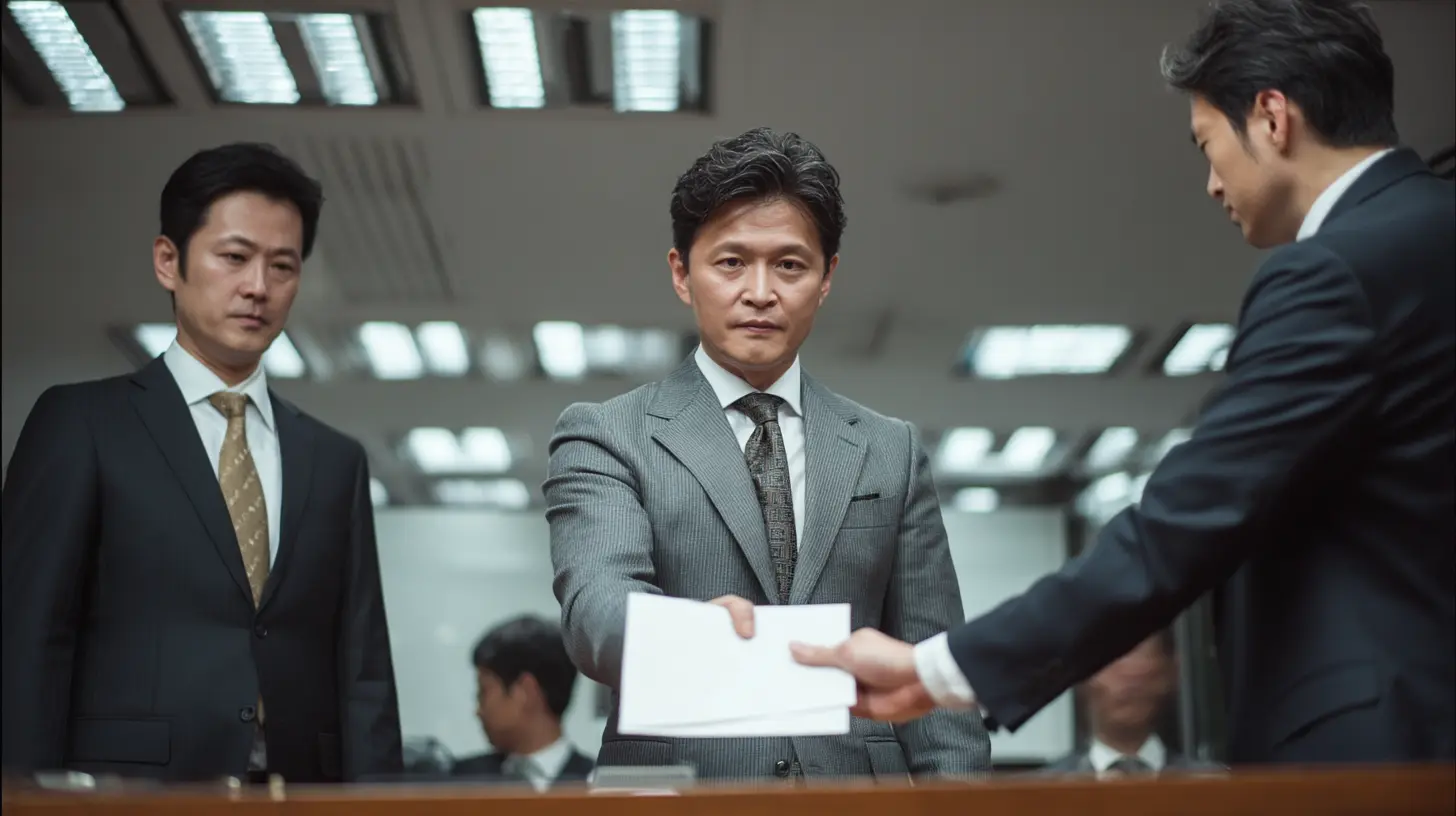
A man in a suit handing over a document in a conference room

Prologue: The Value of ‘Quiet Precision’ Explored in Quiet Excellence

A person’s influence is not always measured by the volume of their voice. Sometimes it comes from the accuracy they hold, and the way they enter a room with a calmness that reorganizes the air around them.

For a long time, I have watched Han Dong-hoon with such a lens. The way he approaches issues—with steadiness, without emotional turbulence, and always grounded in fact—reveals a particular kind of precision. It is not loud, but it is unmistakable.

The Quiet Excellence series exists to record people who move the world not through volume but through clarity. This piece is not about politics; it is a quiet exploration of one person’s accuracy.

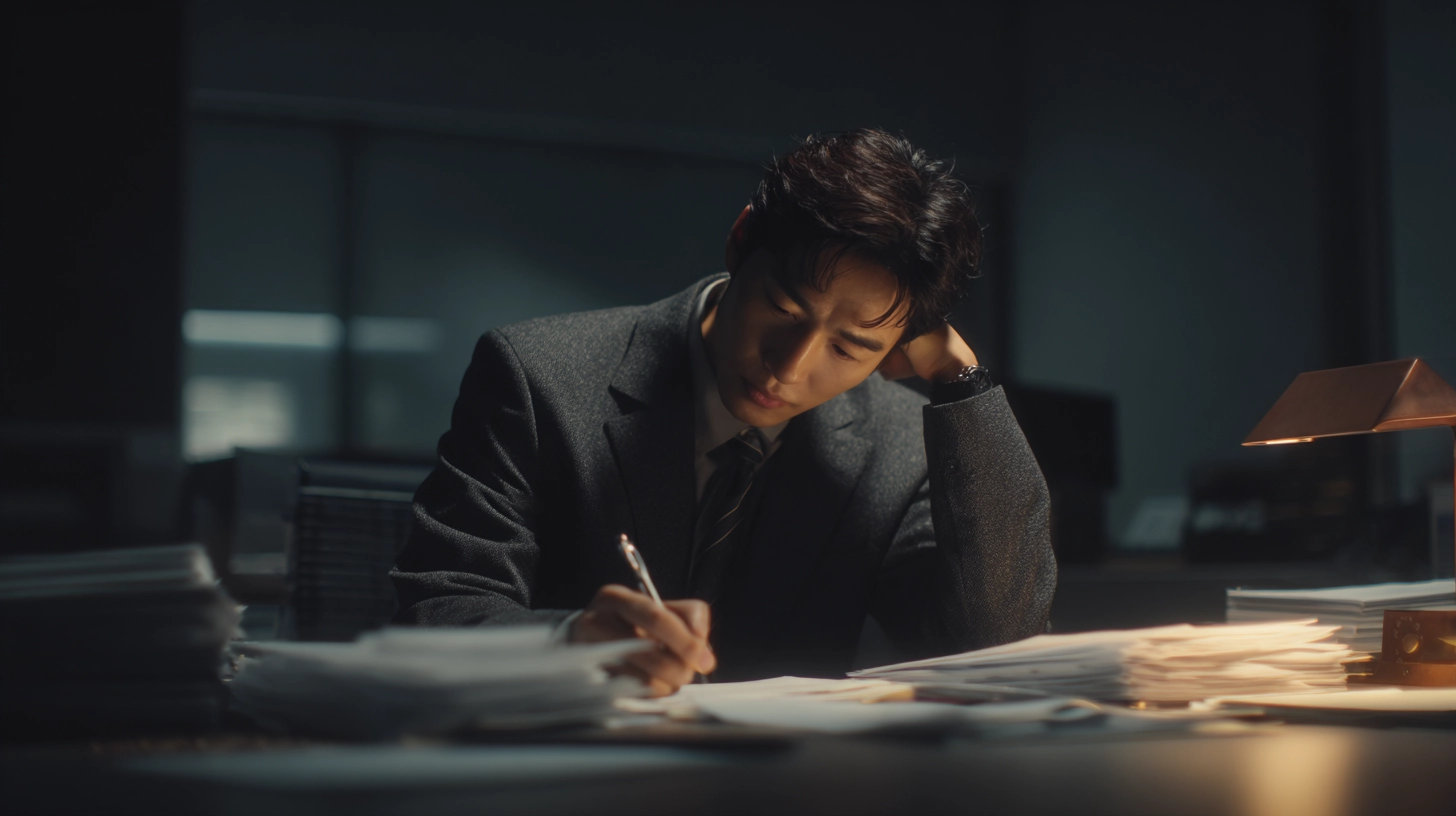
A man reviewing documents late at night at his desk

Focus in Stillness

"Exactness grows in the rhythm of repetition."

A man working late, reviewing documents and taking notes under a quiet desk lamp. The scene conveys focus, discipline, and solitary dedication.

Communication Style: The Structural Language of Fact Over Emotional Tide

There is no exaggerated force in his words. What remains instead is structure. Even when he appears to answer questions without hesitation, his responses flow according to the order of fact and logic, not the pressure of emotion or atmosphere.

His sentences hold space. Redundant explanations fall away on their own, leaving only the essential elements behind. This restraint is not a lack of expression, but the result of a disciplined linguistic habit.

He does not try to impose his opinion. Rather, he rearranges information and fact into the most stable configuration before speaking. His calm yet persuasive tone comes from this structural way of thinking—a way of speaking anchored not in emotion, but in the craft of clarity.

His Thinking Moves by Sorting Complexity First

The Logic of Sorting: Prioritizing Clarity to Master Complexity

One impression that consistently follows Han Dong-hoon is this: he does not easily sway in complicated situations. Even when events, people, and records collide, he seems to reorder them with quiet decisiveness.

What is fact?

What is assumption?

What is provable?

What must be prioritized?

His thinking appears to rest on these four questions.

His knowledge does not feel like a large collection of information. It feels connected, as if everything occupies a precise place in a larger structure. When new information arrives, it finds its coordinates quickly.

That is why he can answer rapidly yet remain steady. He is not simply fast; he is accurate.

A painterly portrait of a man in a suit

Portrait of Quiet Presence

"Silent strength travels farther."

A portrait of a man standing against a textured wall, rendered in a painterly style. The serene yet commanding presence reflects quiet confidence.
Intermission: The Unwavering Rhythm of Ludovico Einaudi’s Experience

🎧 Ludovico Einaudi — Experience

This music resembles his way of thinking. A steady rhythm, quiet repetition, and a flow that stays focused without becoming dramatic.

There is a clear reason this piece was chosen. Experience begins in near silence, then builds its rhythm in fine layers, deepening without excess. Its structure mirrors how Han approaches problems: he does not raise his voice, but observes, organizes, and gradually shapes the logic toward a calm, firm conclusion.

The piece behaves the same way—holding back unnecessary emotion, deepening concentration through restraint, and leaving a small, lingering resonance at the end.

This intermission exists so the reader can sense his rhythm of accuracy—steady yet unwavering, quiet yet energetic in its own way, focused not through emotion but through structure. Everything this music carriesis aligned with everything he does.

Quiet Competence: Factual Discipline in the Lone Star ISDS Dispute

The Lone Star ISDS dispute was a complex matter—long history, massive documentation, and layers of international legal interpretation. He approached it not through emotional tides nor through political expectation, but through legal structure and factual accuracy.

He filtered the vast materials to extract the core, reconstructed the issue along timelines and logical axes, removed unnecessary interpretations, and preserved only conclusions grounded in fact. His work revealed something close to craftsmanship. Keeping what is essential. Eliminating noise. Rebuilding the structure with clarity.

These processes showed not just expertise but a deeply refined professional discipline. What people often describe as “quiet competence” naturally surfaced in moments like this. Someone who trusts process more than spectacle, structure more than rhetoric.

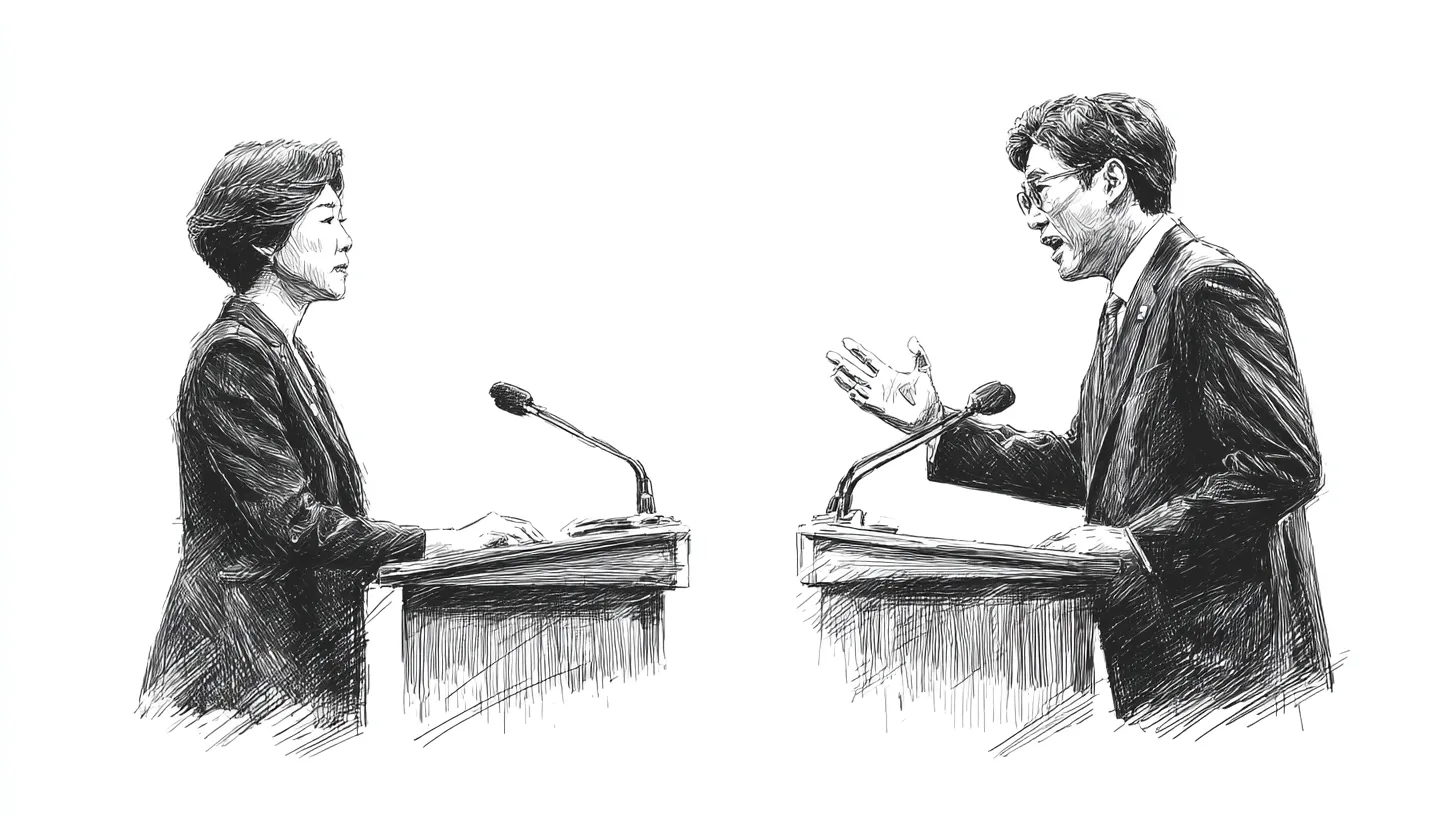
A sketch of two people engaged in a debate

The Moment Logic Collides

"What matters is not loudness, but precision."

A sketch-style illustration of two individuals facing each other in a heated debate. The image captures the tension and clash of opposing arguments.
The Power of Accuracy: Why Quiet, Precise Words Last Longer Than Loud Ones

Many assume that powerful persuasion comes from loud or forceful speech. But he chooses otherwise. He shortens sentences, avoids embellishment, and places the conclusion sharply where it belongs.

His quiet tone does not weaken the message—it strengthens it. Its weight comes from accuracy, not volume. He does not speak to win against others. He speaks to remove misunderstanding, to restore clarity, to identify the center of an issue.

This quiet persuasion is not a tactic. It is part of the skillset he carries. He shows, through action, why accurate words last longer than loud ones.

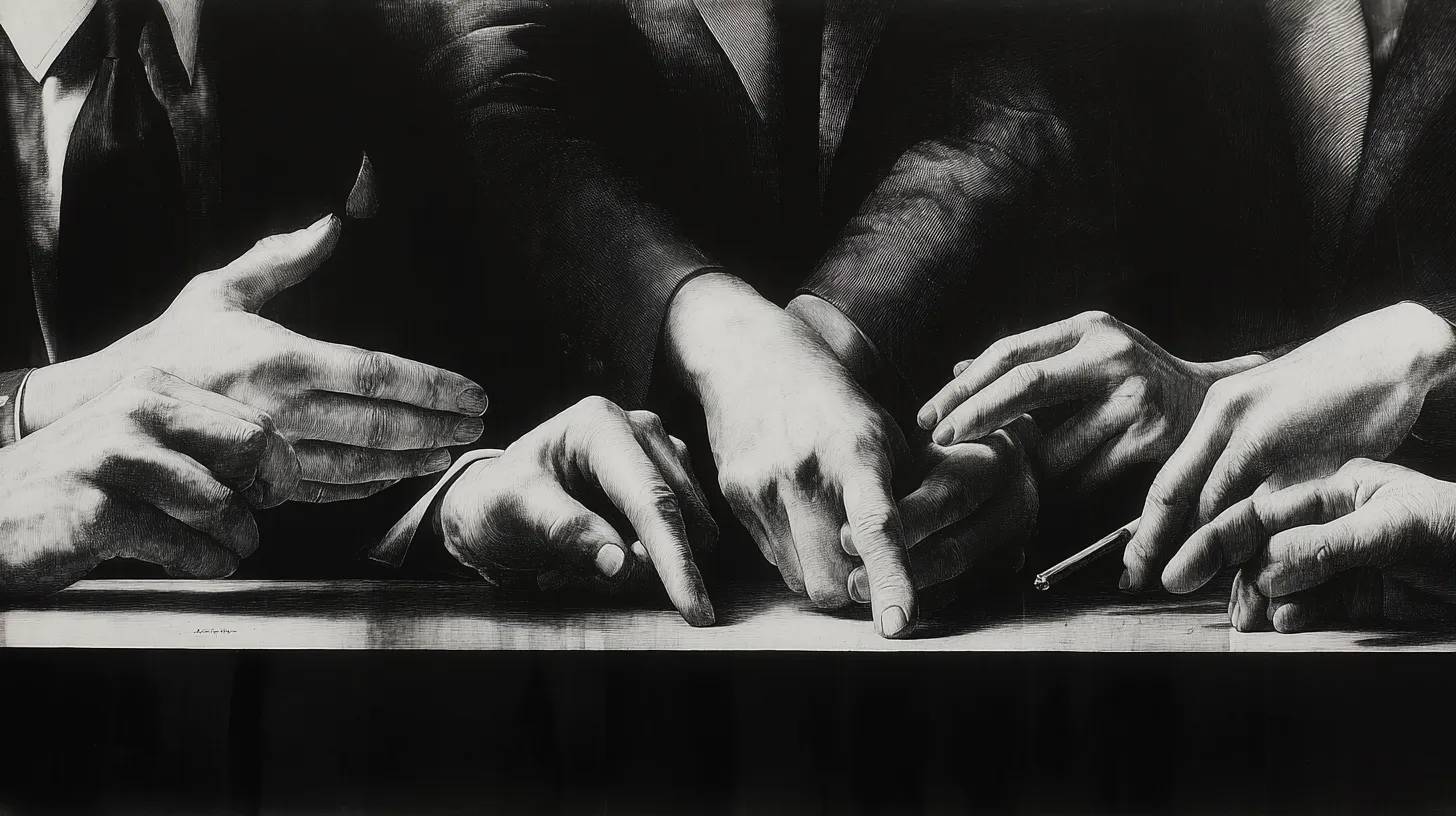
Black-and-white illustration of multiple hands pointing in different directions

Colliding Opinions

"Many voices clash, but the truth remains singular."

A black-and-white illustration showing multiple hands pointing in different directions, symbolizing a clash of opinions. The image reflects the tension of disagreement and the struggle to identify what is true and essential.
Reflection: The Professional Ethic of Prioritizing Fact and Structure

Accuracy can appear cold at times. But without it, misunderstandings accumulate, accountability blurs, and standards of judgment lose their footing.

He has maintained this accuracy as a kind of professional ethic. Seeing facts first, organizing structure first, and minimizing unnecessary emotion—these habits feel both personal and deeply trained.

Wherever he stands and whatever he handles, his commitment to fact and structure becomes the defining grain of his character. I am naturally drawn to people like this—those who choose structure over noise, refinement over excess, responsibility over applause.

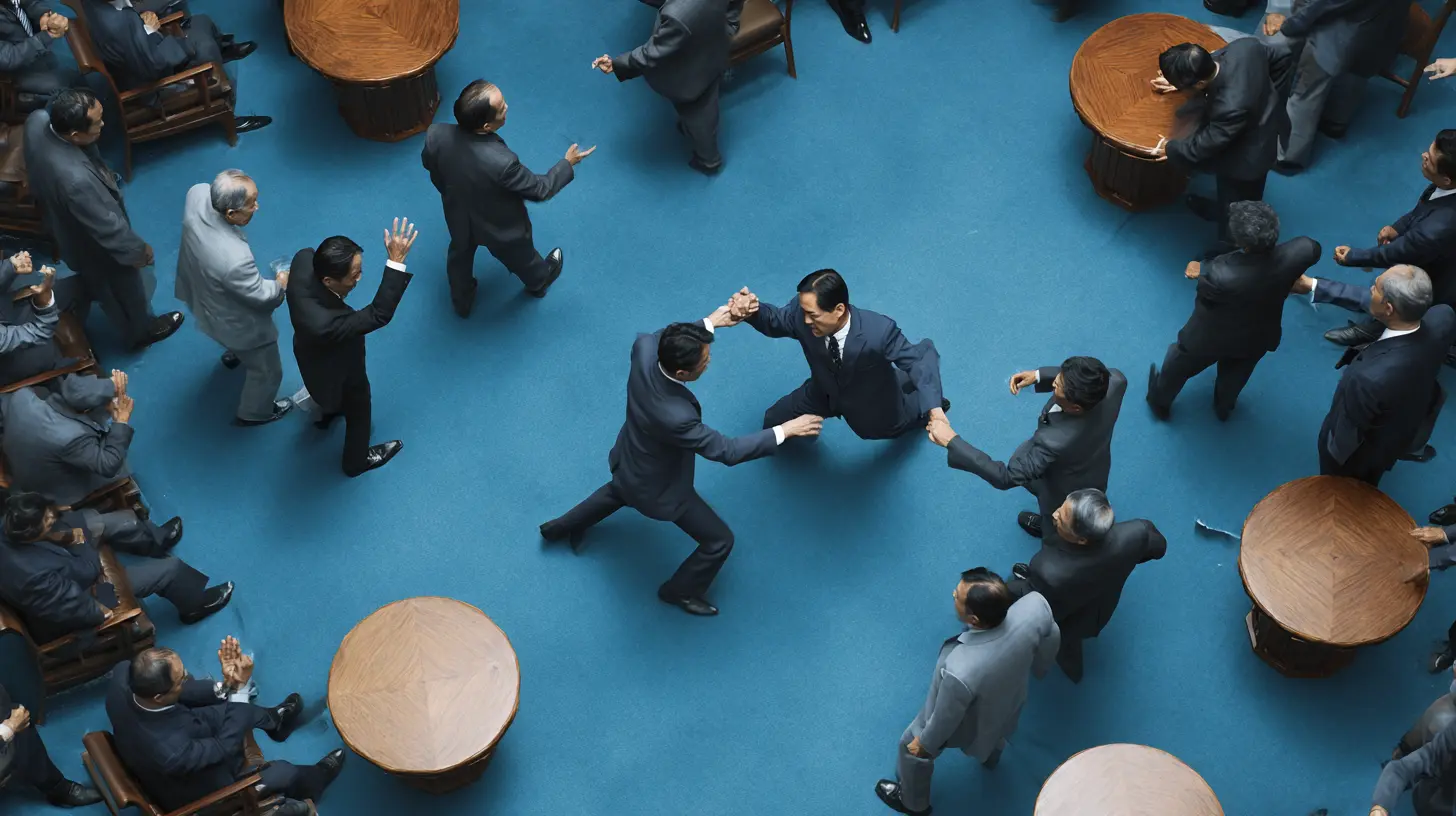
Overhead view of politicians engaged in chaotic conflict

The Essence Lost in Noise

"Louder conflict doesn’t make a clearer truth."

An overhead view of numerous individuals in suits entangled in conflict. The scene symbolizes a chaotic political landscape filled with clashing interests, where noise overwhelms clarity.
Epilogue — Quiet Skill Endures

Wherever his name may be placed, the way he works does not change. Reading problems with clarity, removing emotional clutter, and prioritizing fact and structure—these habits leave a quiet but lasting impression.

This second entry in the Quiet Excellence series is not about his political position but about the precision he has practiced.

Quiet, yet unshaken. Subtle, yet deeply resonant. I simply wanted to record such a person.

Lightly, yet deeply.

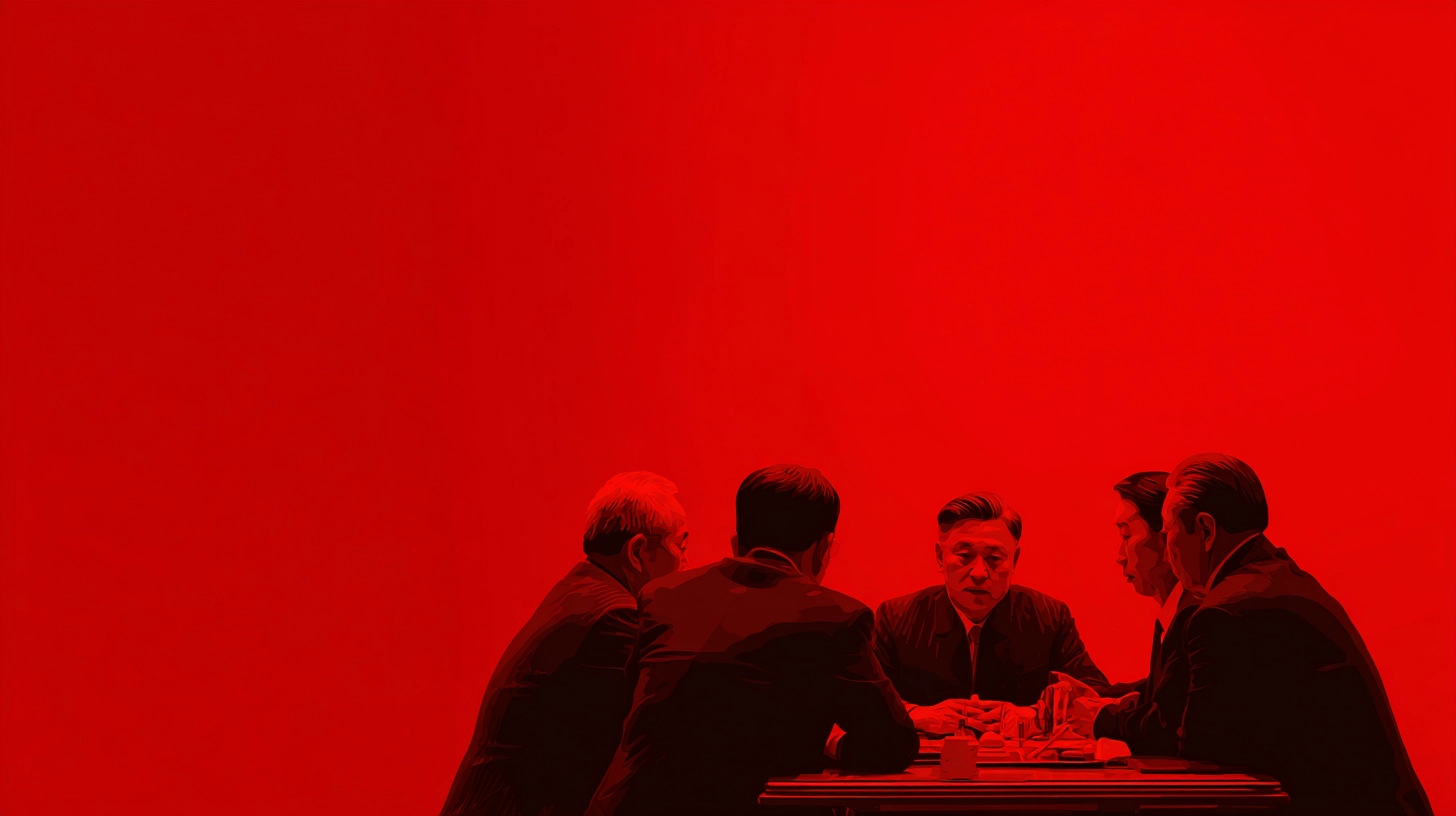
Individuals holding a closed-door meeting against a red background

Interests Behind Closed Doors

"Where light doesn’t reach, the essence disappears first."

A group of individuals gathered quietly around a table against a stark red background. The scene evokes the idea of closed-door political dealings driven by personal interests rather than public duty.

Who is Han Dong-hoon? — A Brief Introduction for International Readers

Han Dong-hoon is a South Korean public figure known for his career as a prosecutor and his work in legal administration. Over two decades, he has handled major investigations involving corporate misconduct, financial crimes, and high-profile corruption cases, establishing a reputation for precision, factual discipline, and clarity in communication.

He later served as Minister of Justice, where he focused on institutional reform and legal-system modernization. Throughout his career, he has been recognized for his structured approach to complex issues, his consistency under pressure, and his emphasis on fact-based reasoning rather than rhetorical force.

Today, he remains one of the most closely watched legal minds in South Korea—respected not for volume or theatrics, but for the quiet exactness that shapes his work and public presence.

한컷 파비콘
한컷
https://hancut.kr
한동훈과 시민들이 일상과 생각을 나누는 온라인 커뮤니티
Tags

What do you think?

Leave a Reply

Your email address will not be published. Required fields are marked *

More Posts